My Story
How a marketer was made,one job at a time.
A chronological account: the operational start, the freelance years no resume shows, and the chapter where it all came together.
The beginning
Jindal Poly Films · Management Trainee
the interest noticed here, not yet acted on
I didn't start in marketing. I started in operations: KPI dashboards, cross-functional coordination, the backend machinery of sales at Jindal Poly Films, where I joined as a Management Trainee. It was structured, demanding, and honest work: the kind that teaches you how a business actually runs before it lets you talk about how it should look.
But somewhere between the dashboards and the review meetings, I noticed where my attention kept drifting. It went to the brand deck. To the campaign recap. To the numbers behind what customers responded to, and why. I was supposed to be watching the machinery. I kept watching the story the machinery was telling.
I wasn't doing marketing yet. I was just quietly, persistently interested in it. Looking back, that chapter gave me two things I've never lost: a respect for operations, the unglamorous systems that make marketing real, and the certainty that brand, content, and data were where I wanted to spend my working life.
The freelance chapter
House of Avi · Chaat Bistro · Mayori
off the resume; everywhere in the work
Before PubMatic, there is a stretch of time that doesn't appear on my resume. But it should. I worked independently with small businesses: House of Avi, Chaat Bistro, Mayori. I wrote their blogs, managed their social media, scripted reels, and wrote the captions that went under them.
Small budgets. Real stakes. No strategy team, no approval chains, no one to hand things off to. If a post didn't land, there was nowhere to hide; and if it did, I knew exactly why. It was the most direct education a marketer can get: an idea in the morning, execution by afternoon, feedback by evening.
None of this shows up on my resume. All of it shows up in my work. It was hands-on proof that the storytelling instinct I'd noticed at Jindal was real, tested with my own hands, on real businesses, with real customers on the other side of the screen.
None of this shows up on my resume. All of it shows up in my work.
The PubMatic chapter
PubMatic · the whole discipline, at once
many jobs at once, one discipline learned
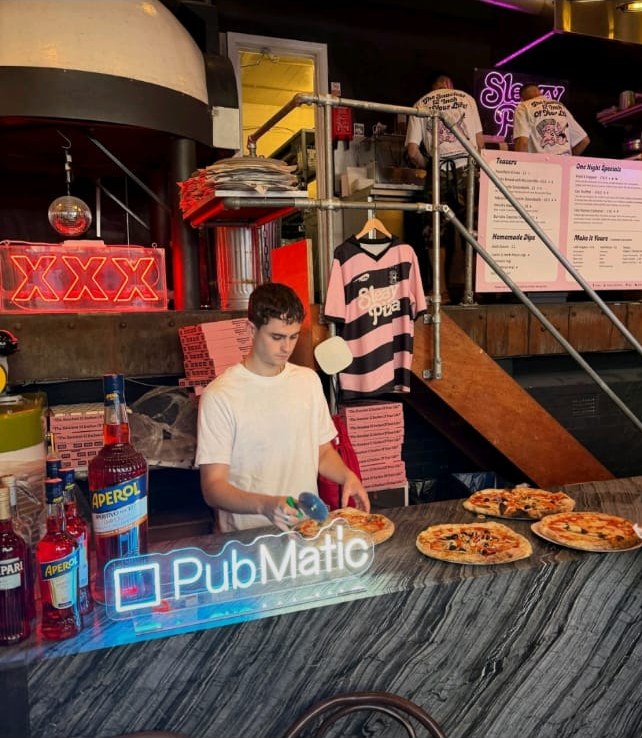
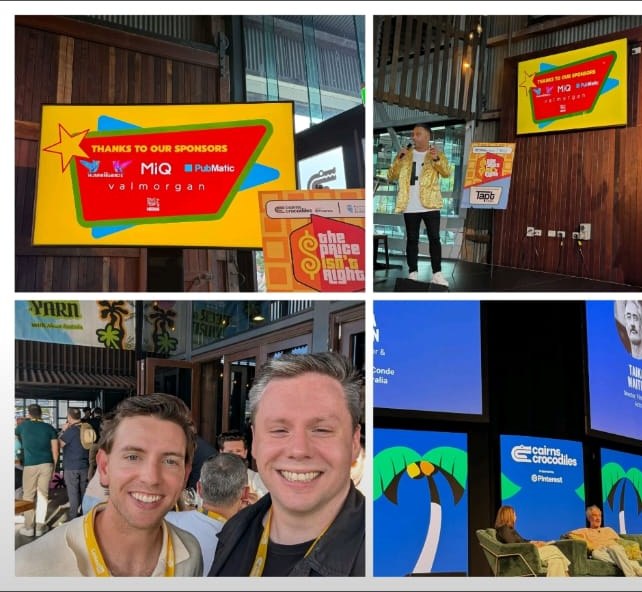
PubMatic is where the whole discipline opened up. In my time here, I've worked on more than 30 events across multiple markets, from flagship industry stages to intimate executive roundtables, each one a small exercise in strategy, logistics, content, and follow-through compressed into a single day.
I built PR reporting that leadership actually read and used to make decisions. I helped grow a newsletter across APAC. I owned full-funnel campaigns end to end, like the APAC Co-Viewing Study, where a piece of research became a gated report, a launch plan, and a pipeline engine. And yes, I did operations too, because operations is where good marketing goes to become real.
For a while, I was doing many jobs at once. It was demanding, and occasionally chaotic, but somewhere in that density, I learned the shape of the entire discipline: how strategy becomes content, content becomes events, events become pipeline, and analytics tells you the truth about all of it. Most marketers learn one layer deeply. I learned how the layers connect.
Where this is going
The throughline
strategy in the head, execution in the hands
The throughline across all of it is simple: I think in strategy, and I execute with my own hands. I can build the plan and I can build the thing: the report, the event, the newsletter, the dashboard that tells you whether any of it worked.
What I'm looking for now is a role that lets me do more of the former without losing the latter. A seat at the table where strategy is made, with my hands still on the work, because that's where my judgment comes from.
That's the marketer the last few years made. The next chapter gets to decide what she builds.
The story is only half of it.
The other half is in the work itself.